
WiFi sponsor

Mobile App sponsor

Power Alley sponsor

Charging Stations Sponsors

Registration Desk / Lanyard sponsor

Room Key sponsor
AV sponsor

Transportation sponsor

Hydration Station sponsor

Pre-Conference Networking Events
6:00 – 8:00 pm
Welcome Reception | Fifth Avenue Room
8:00 - 9:30 am
Networking Breakfast | Grand Ballroom 1 & 2
Sponsored by

8:00 - 9:30 am
Leadership Council Breakfast by Invitation Only | Puget Sound Room
Opening General Session 1 | Grand Ballroom 3
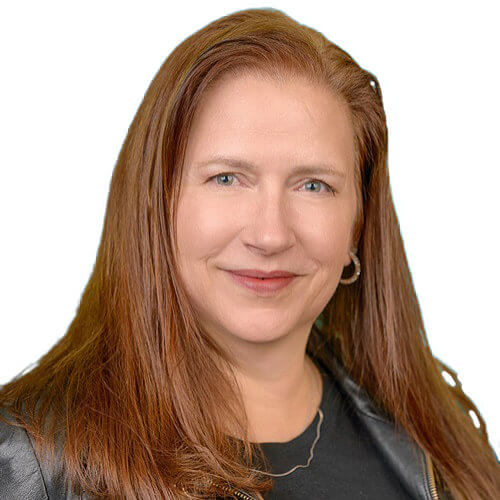
Co-Chair
Jenny Roehm
Schneider Electric
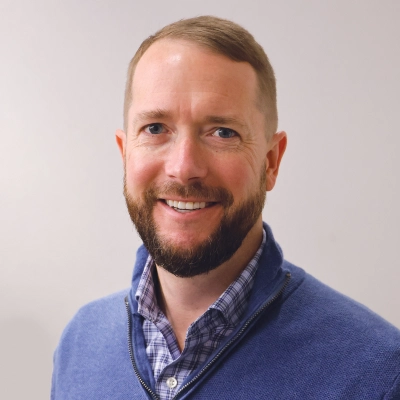
Co-Chair
Eric Van Orden
Resource Innovations
9:30 - 9:45 am
Remarks from the Chair
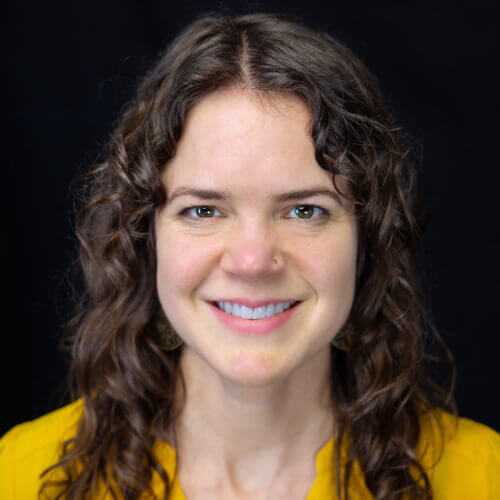
Robin Maslowski
Trillium Energy Consulting and Board Chair, PLMA
9:45 - 9:50 am
Welcome to Seattle
9:50 - 10:30 am
Keynote Address
10:30 - 11:00 am
Refreshment Break | Grand Ballroom 1 & 2
Sponsored by

11:00 – 12:15 PM
Data Centers Initiative | Fifth Avenue Room
Public Power & Cooperatives | Grand Crescent
Building Electrification | Vashon
Understanding Smart Panels: Installation, Functionality, Applications
Join us for an introduction to smart panel technology – a foundation for Wednesday’s 11:15 am session “Smart Panels for Service Upgrade Mitigation and Load Flexibility.” To set this foundation, we’ll compare market-ready solutions including full panel replacements, modular smart breakers, and smart circuits which save homeowners thousands on service upgrades. We’ll delve into their installation and functions, the solutions currently available, and check out product examples. You’ll also learn how these smart technologies enable utilities to increase participation in electrification programs like EV managed charging and heat pumps while avoiding expensive, rate-based infrastructure upgrades such as transformer replacements.
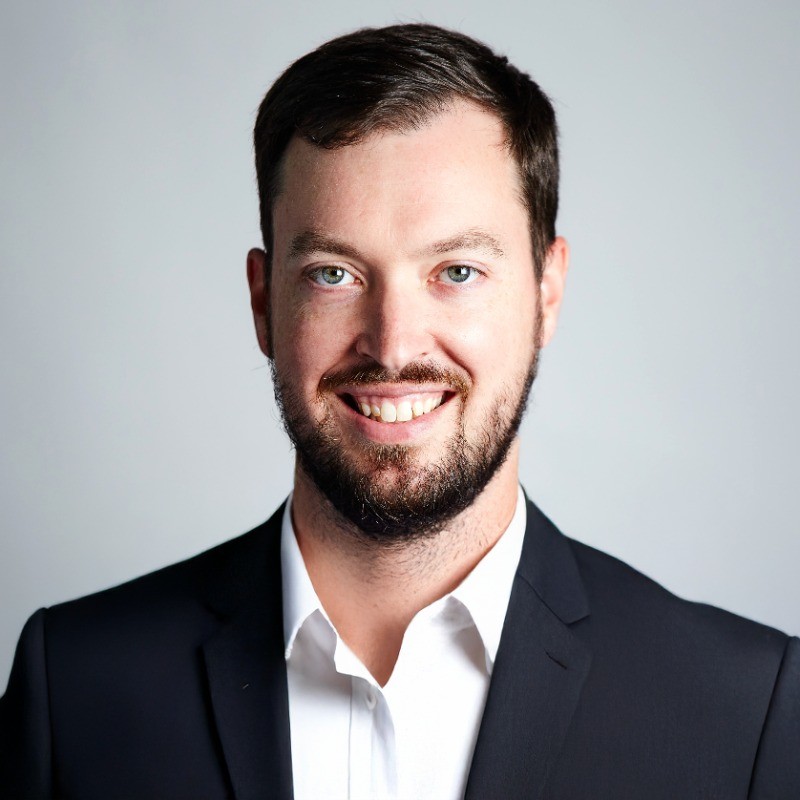
Doug Lindsay
EPRI
Mark Gentry
Franklin Energy

Luke Surowiec
ICF
Brittainy Pond
Puget Sound Energy
12:15 – 1:45 pm
Networking Lunch & Sponsor Lounge Opens | Grand Ballroom 1 & 2
Sponsored by
1:45 – 3:15 PM
Commercial & Industrial Interest Group | Fifth Avenue Room
From Pilot to Practice: Interactive Load Flexibility Lessons for Commercial and Industrial Buildings
This interactive session will divide participants into two facilitated breakout groups. The first will examine early lessons from ComEd’s mid-sized demand response pilot, which uses automated building controls to reduce peak demand without disrupting operations or tenant comfort. The second breakout will follow a refrigerated industrial facility where an existing daily load shed was ending during the site’s most expensive TOU period.
The groups will reconvene to compare lessons across these C&I applications, focusing on where different approaches work best, what benefits or outcomes the approaches provide, and what barriers or challenges remain to scale approaches?
The session will conclude with a live audience poll to identify the most important commercial and industrial load-flexibility topics for future PLMA conferences.
Tom Roberts
IGS Energy

Stan Nabozny
Michaels Energy

Regan Cronin
Cascade Energy
Easan Drury
Edo Energy
TBD | Grand Crescent
Electric Transportation / EV Grid Impacts | Vashon
3:15 – 3:45 PM
Refreshment Break | Grand Ballroom 1 & 2
Sponsored by
3:45 – 5:00 PM
Connected Devices | Fifth Avenue Room
Bridging Matter & OpenADR: An Innovative Approach to Residential Demand Response
Join us to review a demo project that explored an innovative approach to implement residential DR and load flexibility by combining the emerging Matter automation standard with real-time OpenADR price and demand response signals. In 2026, PG&E, in partnership with Olivine and Universal Devices, evaluated this model in a field setting, leveraging Matter’s interoperable framework by using smart thermostats, plug loads, and low-cost smart light bulbs.
The study tested how consumer-adopted Matter certified IoT devices can respond dynamically and autonomously to grid conditions. The project executed both price-based and demand response events, demonstrating direct dispatch capability and strong device responsiveness. The result is a scalable, cost-effective loadflex framework that reduces integration barriers and expands participation. A transformative new paradigm for how utilities and customers can interact!

Albert Chiu
Pacific Gas and Electric
Felipe Godinez
Olivine

Orly Hasidim
Universal Devices
Derek Kirchner
TRC Companies
Vanessa Richter
Oracle

Ross Tomlin
Austin Energy
Global Load Management | Grand Crescent
Load Flex Valuation Initiative | Vashon
6:00 – 9:00 pm
Seattle Sound Reception at the MOPOP
Reception Sponsored by


Transportation Sponsored by

Marquee Lighting Sponsored by
7:30 – 8:45 am
Networking Breakfast | Grand Ballroom 1 & 2
Sponsored by

7:30 – 8:45 am
WOMEN IN LOAD FLEXIBILITY: BREAKFAST CONNECT | Grand Crescent
General Session 2 | Grand Ballroom 3
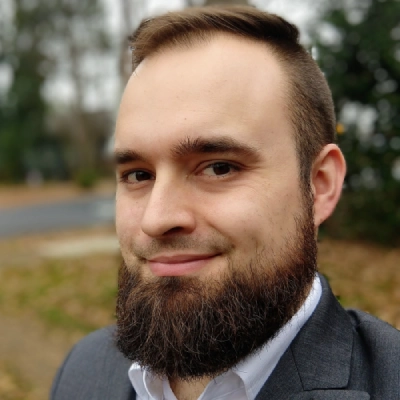
Co-Chair
Gary Smith
Sagewell
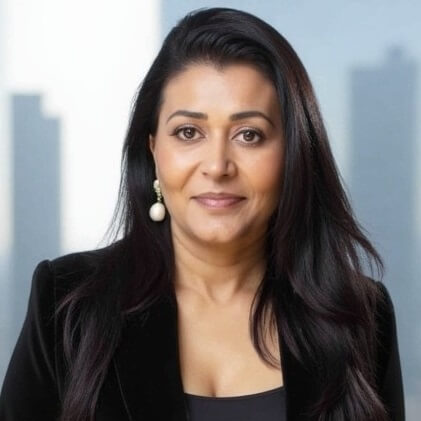
Co-Chair
Vasudha Lathey
Olivine
9:00 – 9:45 am
Beyond Pilots: Turning Flexible Load into Portfolio Value
As utilities work to scale pilots into durable programs, the challenge is no longer just calling a few peak events, it is building a flexible load portfolio that can deliver value across seasons, operating conditions, and customer segments. This panel brings together practitioners from three different stages of portfolio development: getting started, rapidly scaling to meet peak demand needs, and evolving flexible load to support year-round system operations. Panelists will share real-world lessons on what it takes to move from individual technologies and pilot efforts to repeatable portfolio value, and how regional collaboration is paying off. Attendees will leave with practical lessons, candid examples of what has worked and what has not, and a framework for connecting customer technologies to broader system value.
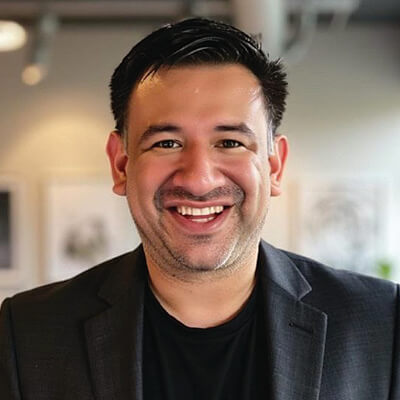
Gabriel Kjos
Portland General Electric

Mitch Droz
Puget Sound Energy
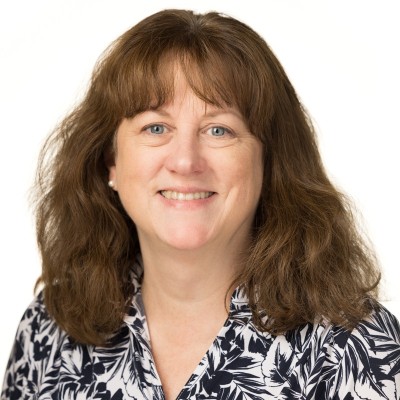
Leona Haley
Avista Utilities
Brenda Hunt
Northwest Energy Efficiency Alliance
General Session 3 | Grand Ballroom 3
9:45 – 10:30 am
To be announced
10:30 – 11:00 AM
Refreshment Break | Grand Ballroom 1 & 2
Sponsored by
11:00 – 11:45 am
BREAKOUT 1 | Vashon
Sponsored by

Co-Chair
Jordan Folks
E Source

Co-Chair
Hayley Burns
TRC Companies
Valuing Load Flexibility for Resource Adequacy and Beyond: Progress, Gaps, and the Path Forward for Utility Planning
Demand Response has long been treated as a load modifier in utility IRPs. But as Resource Adequacy needs grow more complex, a deeper question is emerging: are utilities valuing DR and Load Flexibility (LF) as supply-side resources — and do they have the analytical frameworks and data to do it credibly? This panel brings together utility practitioners to discuss how far this shift has progressed and what remains to be done. Building on the framework presented at the PLMA Spring 2026, panelists will share how they are — or are not yet — incorporating flexibility into IRPs and RA assessments, what value streams have been considered, and how valuation can inform program design. A central theme is stacking bulk system value with distribution benefits, requiring integration across resource planning, distribution planning, and customer program design to build stronger cost-effectiveness cases for regulators and ratepayers.

Debyani Ghosh
Guidehouse
Dave Alspector
Tierra Resource Consultants
Michael Brown
Berkshire Hathaway, NV Energy

Kristin Gaspar
Xcel Energy
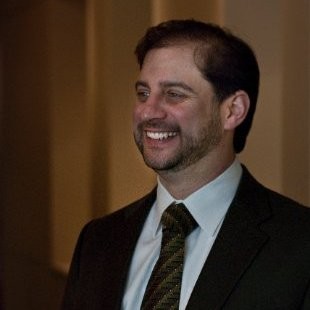
Philip Popoff
Guidehouse
BREAKOUT 2 | Fifth Avenue Room

Co-Chair
Olivia Patterson
E Source
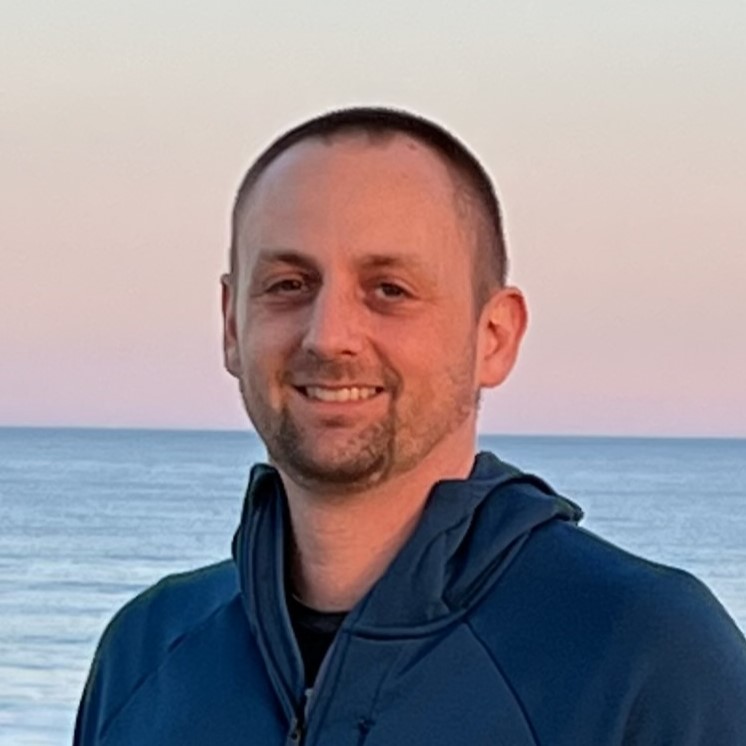
Co-Chair
Kevin Knight
Baltimore Gas & Electric
Managed Charging: A Comprehensive Look at Managed Charging in New York State
The Joint Utilities (JU) of New York Residential Managed Charging Programs have demonstrated measurable grid benefits, high off-peak charging compliance, and strong customer engagement. Along the way we’ve gathered numerous lessons learned and recommendations to our regulators in shaping the future of our programs. Central Hudson plans to share these insights to the PLMA audience as representatives of JU.

Marwa Chowdhury
Central Hudson Gas & Electric Corporation
Optimizing Battery Dispatch for DR – A Collaborative Approach with OEMs and Customers
Behind-the-meter battery energy storage plays a pivotal role in DR, strengthening the grid while generating real value for customers. However, dispatch performance often falls short of its potential. Suboptimal dispatch limits load reduction potential and limits customer earnings. Maximizing dispatch effectiveness can present opportunities to unlock increased benefits. This presentation uses real-world dispatch data and outlines the innovative approach that Eversource is taking to improve battery dispatch performance through targeted engagement with Original Equipment Manufacturers (OEMs) and end-use customers.
Jenn Runyon
Eversource
BREAKOUT 3 | Cascade Ballroom
Co-Chair
Brad Davids
Google Nest

Co-Chair
Palak Jain
Oracle Utilities
Why Load Flexibility Really Matters to Customers
Load flexibility (LF) discussions often center on electric system or local grid value, with less articulation of customer value beyond bill savings. However, the LF value proposition for customers is more nuanced. Building on foundational work conducted through PLMA’s Load Flexibility Valuation Strategic Initiative, Trillium Energy Consulting and Southern California Edison created a comprehensive LF valuation framework that maps over 50 distinct value streams for customers—from accelerated interconnection to community participation—for both participants and ratepayers/society. This presentation will examine multiple LF-enabled emerging value streams, participation motivations beyond direct monetary incentives, distinctions between participant and ratepayer value, and how grid-related decisions matter to customers.
Robin Maslowski
Trillium Energy Consulting
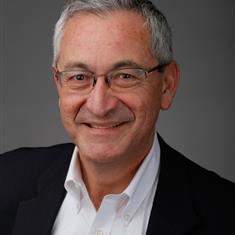
Mark Martinez
Southern California Edison

Jes Rivas
Swift Strategy
TRACK D | Room 203-204
Co-Chair
Gary Smith
Sagewell
Co-Chair
Max Clarke
ev.energy
9:00 – 9:30 AM
Early Findings And Lessons Learned From Deploying A Bi-Directional Charging Project
Join us to learn about a local bi-directional charging deployment in AES Indiana’s territory, including the processes, challenges, and solutions identified. Despite widespread interest, to date very few such projects have successfully launched, primarily due to limitations in hardware, software, and technical expertise. Presenters will address these issues from the implementer’s and utility’s perspectives with a focus on program design, customer engagement, and early results, plus their lessons learned.
Varun Thakkar
CLEAResult

Victoria Cooper
AES Indiana
9:30 – 10:00 AM
Making Residential V2G Work in Practice: Turning a First Installation into a Repeatable Utility Process
Learn how SDG&E supported a residential bidirectional EV charger installation coordinated by The Mobility House, using a Wallbox Quasar 2 + 2025 Kia EV9. This partnership focused on working through complicated interconnection and permitting processes not originally designed for scaling V2G in the field. The utility and vendor will share their experiences and lessons learned, including replicable pathways for future residential V2G projects, permitting and interconnection workflows, required utility teams, critical stakeholders, customer prerequisites, and common constraints that limit installation eligibility.
Nick Fiore
San Diego Gas & Electric
Matthew Mills
The Mobility House
10:00 – 10:30 AM
V2X Unfiltered: A Roundtable on Lessons, Roadblocks, and What’s Next
With one utility-led project in the Midwest and another on the West Coast, what are the common denominators for success? In this final segment, all session presenters will join co-chairs Gary Smith and Max Clarke on stage for a candid, guided discussion. We will move beyond the slides to address the challenges of V2X—from interconnection bottlenecks and hardware reliability to customer sentiment—and explore how these early blueprints can be scaled across the industry. This interactive session will prioritize audience participation and peer-to-peer problem-solving.
Varun Thakkar
CLEAResult
Victoria Cooper
AES Indiana
Nick Fiore
San Diego Gas & Electric
Matthew Mills
Mobility House
11:45 – 1:00 pm
Networking Lunch | Grand Ballroom 1 & 2
Sponsored by

11:45 – 1:00 pm
EMERGING PROFESSIONALS WORKSHOP | Grand Crescent
1:00 – 2:15 PM
DERs as a Grid Service initiative | Vashon
customer engagement interest group | Fifth Avenue Room
Turn Insights into Action:
Shape Small + Medium Building Energy Solutions Using Market Research and Design Thinking
How can market research and design thinking help utilities create more customer-centered solutions? In this interactive Customer Engagement Interest Group session, NEEA will share insights from research on small and medium commercial buildings—an often hard-to-reach segment with significant energy and load flexibility potential. Participants will be guided through a design thinking exercise to practice empathizing with customers, defining practical “how might we” questions, and identifying approaches they can apply within their own programs and market segments.
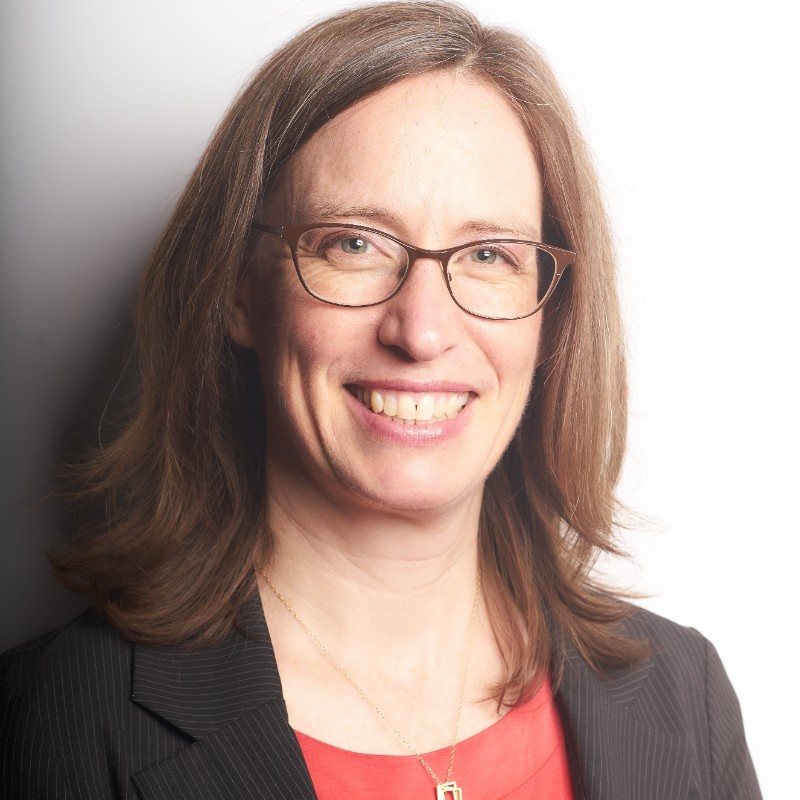
Debbie Driscoll
Northwest Energy Efficiency Alliance (NEEA)
Brenda Hunt
Northwest Energy Efficiency Alliance (NEEA)
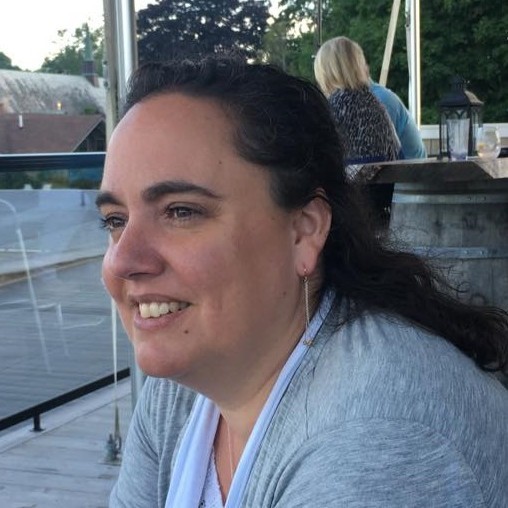
Leigh Winterbottom
ICF
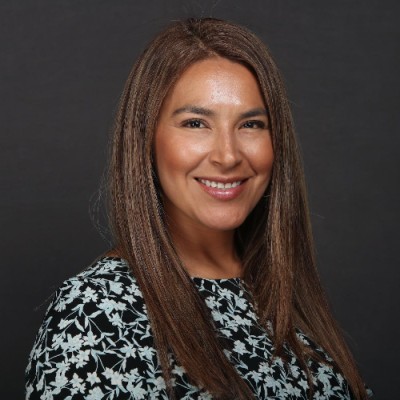
Ana Villarreal
ComEd
Rebekah Grant
Baltimore Gas and Electric
Retail Pricing Interest group | Cascade Ballroom
TRACK D | Room 203-204
Co-Chair
Gary Smith
Sagewell
Co-Chair
Max Clarke
ev.energy
9:00 – 9:30 AM
Early Findings And Lessons Learned From Deploying A Bi-Directional Charging Project
Join us to learn about a local bi-directional charging deployment in AES Indiana’s territory, including the processes, challenges, and solutions identified. Despite widespread interest, to date very few such projects have successfully launched, primarily due to limitations in hardware, software, and technical expertise. Presenters will address these issues from the implementer’s and utility’s perspectives with a focus on program design, customer engagement, and early results, plus their lessons learned.
Varun Thakkar
CLEAResult
Victoria Cooper
AES Indiana
9:30 – 10:00 AM
Making Residential V2G Work in Practice: Turning a First Installation into a Repeatable Utility Process
Learn how SDG&E supported a residential bidirectional EV charger installation coordinated by The Mobility House, using a Wallbox Quasar 2 + 2025 Kia EV9. This partnership focused on working through complicated interconnection and permitting processes not originally designed for scaling V2G in the field. The utility and vendor will share their experiences and lessons learned, including replicable pathways for future residential V2G projects, permitting and interconnection workflows, required utility teams, critical stakeholders, customer prerequisites, and common constraints that limit installation eligibility.
Nick Fiore
San Diego Gas & Electric
Matthew Mills
The Mobility House
10:00 – 10:30 AM
V2X Unfiltered: A Roundtable on Lessons, Roadblocks, and What’s Next
With one utility-led project in the Midwest and another on the West Coast, what are the common denominators for success? In this final segment, all session presenters will join co-chairs Gary Smith and Max Clarke on stage for a candid, guided discussion. We will move beyond the slides to address the challenges of V2X—from interconnection bottlenecks and hardware reliability to customer sentiment—and explore how these early blueprints can be scaled across the industry. This interactive session will prioritize audience participation and peer-to-peer problem-solving.
Varun Thakkar
CLEAResult
Victoria Cooper
AES Indiana
Nick Fiore
San Diego Gas & Electric
Matthew Mills
Mobility House
2:30 – 3:15 PM
BREAKOUT 4 | Vashon
Sponsored by

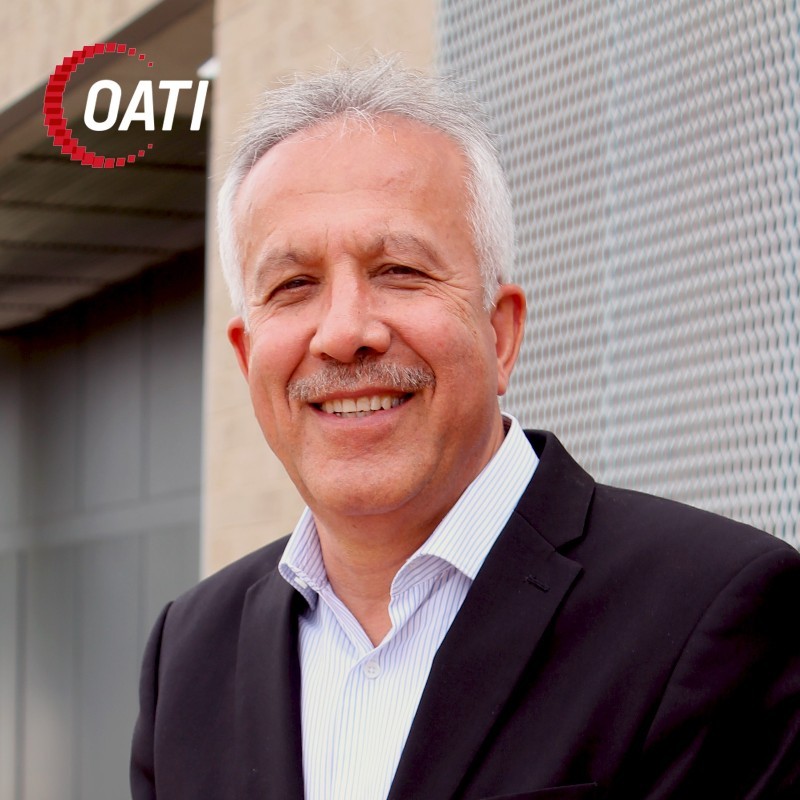
Co-Chair
Farrokh Albuyeh
OATI
Utility-Scale Load Shaping with Electric Thermal Storage
In early Winter 2026, Great River Energy and one of their northern Minnesota member cooperatives aimed to reduce a local transmission area’s peak load by strategically redistributing their off-peak Electric Thermal Storage (ETS) space heating load. This DR program was originally designed to encourage off-peak load building, but after decades of enrollment success was inadvertently creating high overnight winter peaks; contributing to potential transmission system planning cost increases. Using Advanced Metering Infrastructure (AMI) meter data, open-source optimization tools, and modern load management systems, GRE and the member cooperative were able re-distribute this load with a 5-step process. The speakers will present the process of implementing a load shaping program, starting from establishing an objective to deployment, and the technical results.
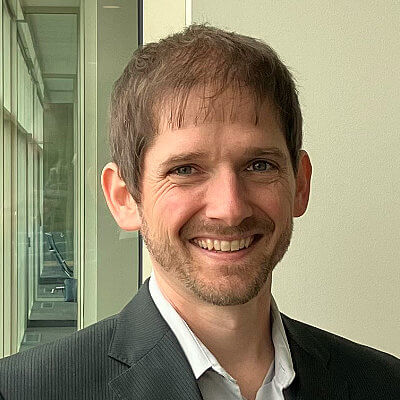
John Reinhart
Great River Energy
Sean Geldert
Great River Energy
BREAKOUT 5 | Fifth Avenue Room
Sponsored by


Co-Chair
Brittney Winters-Gullo
EnergyHub

Co-Chair
John Powers
Elexity
How PG&E is Reimagining Customer Program Enrollment
In 2024 PG&E launched a pathway for customers to seamlessly access their meter data and learn about their home’s energy usage right on their iPhones without username/password connections. The pilot has been a huge success with over 100,000 customers participating to date. To enable this participation, PG&E developed a unique API which is referred to as “AccessAPI”. And now, AccessAPI is changing to support load management program enrollment by including an eligibility check, enrollment, DER registration and event dispatch. The use of AccessAPI eliminates the need for antiquated add/delete forms or cumbersome usernames and passwords and has the potential to support scaling PG&E’s flagship VPP program, the Automated Response Technology program along with other load management programs at PG&E. This presentation will share objectives of the milestones in the development, key challenges and successes.
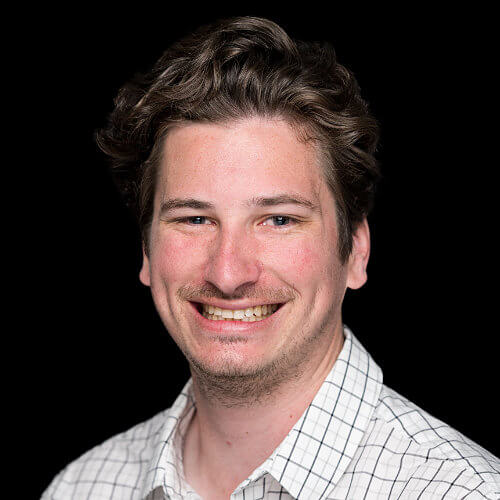
Aaron Kendall
PG&E
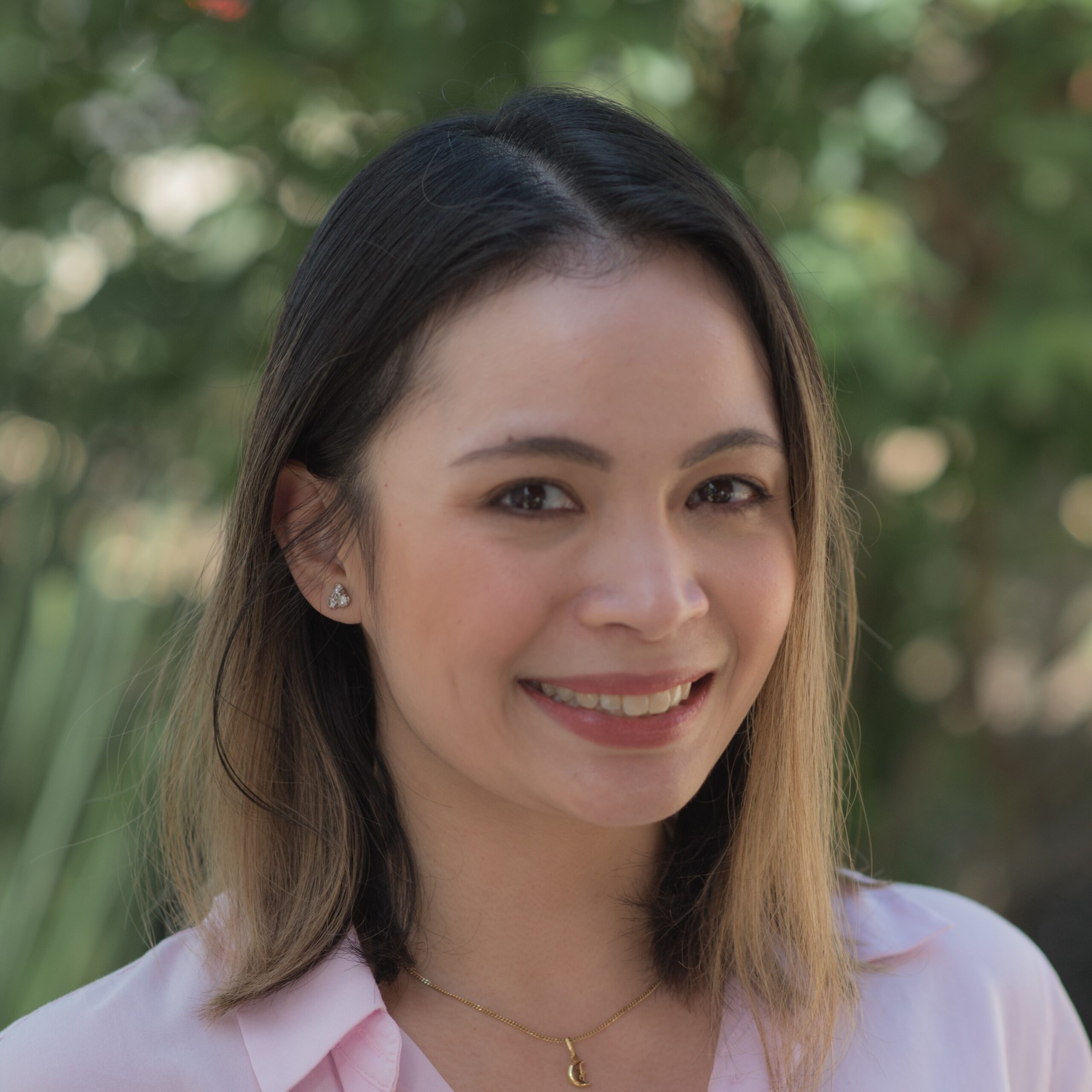
Abi Nguyen
PG&E

John Lin
PG&E
BREAKOUT 6 | Cascade Ballroom
Sponsored by
Co-Chair
Christine Riker
Energy Solutions
Co-Chair
Jon Hilowitz
Orange & Rockland
Scaling Residential Load Flexibility — Forecasting and Field Results from Two Leading Programs
As utilities face accelerating load growth and intensifying peak demand, residential load flexibility programs are emerging as a fast, scalable capacity solution. This session brings together two case studies from leading North American programs to explore both the analytical and operational sides of scaling these programs successfully.
The first presentation shares IESO’s experience forecasting hourly impacts from Peak Perks, one of the largest residential thermostat demand response programs in North America (300,000+ devices, 200+ MW). It highlights the forecasting approach developed to balance usability and accuracy, along with key successes and challenges in predicting program impacts across provincial and load zone scales during the 2026 season.
The second Program will explore the Renew Home and Evergy partnership’s rollout of Energy Shift Capacity, a comfort-first load flexibility program that delivered 35 MW of aggregate load reduction across 31,000+ homes in its 2025 pilot. Presenters will cover program design, enrollment strategy, independent EM&V results, and lessons learned in deploying ESC alongside Evergy’s existing thermostat DR program.
Together, attendees will get a practical, cross-program view of how utilities can forecast, deploy, and scale residential load flexibility — providing a replicable model for expanding reach while maintaining customer experience and program reliability.
Humphrey Tse
IESO

Anthony Ionno
IESO
Ari Kornelis
Cadmus
Tyson Brown
Renew Home
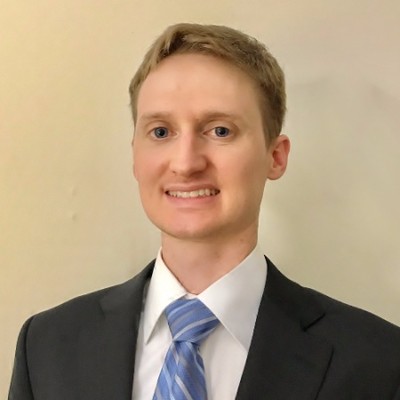
Geoff Pratt
Evergy
TRACK D | Room 203-204
Co-Chair
Gary Smith
Sagewell
Co-Chair
Max Clarke
ev.energy
9:00 – 9:30 AM
Early Findings And Lessons Learned From Deploying A Bi-Directional Charging Project
Join us to learn about a local bi-directional charging deployment in AES Indiana’s territory, including the processes, challenges, and solutions identified. Despite widespread interest, to date very few such projects have successfully launched, primarily due to limitations in hardware, software, and technical expertise. Presenters will address these issues from the implementer’s and utility’s perspectives with a focus on program design, customer engagement, and early results, plus their lessons learned.
Varun Thakkar
CLEAResult
Victoria Cooper
AES Indiana
9:30 – 10:00 AM
Making Residential V2G Work in Practice: Turning a First Installation into a Repeatable Utility Process
Learn how SDG&E supported a residential bidirectional EV charger installation coordinated by The Mobility House, using a Wallbox Quasar 2 + 2025 Kia EV9. This partnership focused on working through complicated interconnection and permitting processes not originally designed for scaling V2G in the field. The utility and vendor will share their experiences and lessons learned, including replicable pathways for future residential V2G projects, permitting and interconnection workflows, required utility teams, critical stakeholders, customer prerequisites, and common constraints that limit installation eligibility.
Nick Fiore
San Diego Gas & Electric
Matthew Mills
The Mobility House
10:00 – 10:30 AM
V2X Unfiltered: A Roundtable on Lessons, Roadblocks, and What’s Next
With one utility-led project in the Midwest and another on the West Coast, what are the common denominators for success? In this final segment, all session presenters will join co-chairs Gary Smith and Max Clarke on stage for a candid, guided discussion. We will move beyond the slides to address the challenges of V2X—from interconnection bottlenecks and hardware reliability to customer sentiment—and explore how these early blueprints can be scaled across the industry. This interactive session will prioritize audience participation and peer-to-peer problem-solving.
Varun Thakkar
CLEAResult
Victoria Cooper
AES Indiana
Nick Fiore
San Diego Gas & Electric
Matthew Mills
Mobility House
3:15 – 3:45 pm
Refreshment Break | Grand Ballroom 1 & 2
Sponsored by
3:45 – 4:30 PM
BREAKOUT 7 | Vashon
Sponsored by
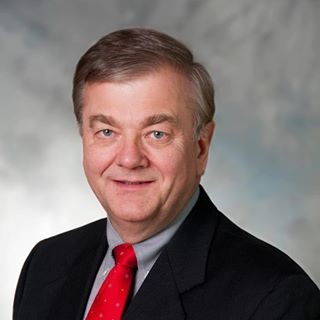
Co-Chair
Ross Malme
Malme Energy Consulting
Co-Chair
Debyani Ghosh
Guidehouse
The Secret to Maximizing DER Value: Location, Location, Location
This session explores how utilities can move beyond broad, system-wide distributed energy resource (DER) programs to address location-specific grid needs. Using an “identify, align, operationalize” framework, two utility case studies demonstrate how locational flexibility can be incorporated into distribution planning and grid operations.
Arizona Public Service uses feeder screening, geographic DER segmentation, and targeted dispatch strategies to operationalize where DERs can provide value beyond traditional system peak events and respond more precisely to local grid conditions.
NV Energy combines feeder-level grid analysis with hourly load-impact modeling to identify locations where DER programs can deliver meaningful benefits during feeder-specific peaks. Their proposed Tariff-On-Bill (TOB) framework is designed to help customers in constrained areas overcome financial barriers to adopting DERs and energy-efficiency upgrades.
Key takeaways will include methods for identifying locational grid needs and aligning them with DER opportunities as well as practical lessons for operationalizing flexibility in utility planning and operations.
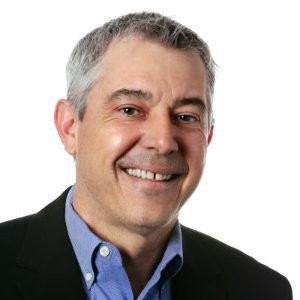
Tom Hines
Tierra Resource Consultants
BREAKOUT 8 | Fifth Avenue Room
Co-Chair
Sarah McCarville
MidAmerican Energy Company

Co-Chair
Joana Abreu
Efficiency Vermont
Busting Barriers to Advance Equity
Austin Energy includes an opt-out demand response program for 50,000 households that was designed to reduce barriers to participation and maximize equitable customer reach. It is the only residential program in their portfolio that does not require initial customer action to participate. Participants do NOT have to own their home or request or pay for a device, and the program is also offered in Spanish as well as English. While bringing this highly equitable program to their customers, Austin was able to successfully deliver peak reduction through 15 events in Summer 2025, with an average peak reduction of 1.9 MW, reaching a max reduction of 3 MW. The presentation will share the program design approach, results, and customer impact for other utilities to consider.
Meredith Woods
Austin Energy
Vanessa Richter
Oracle Utilities
BREAKOUT 9 | Cascade Ballroom
Sponsored by
Co-Chair
Brittainy Pond
Puget Sound Energy

Co-Chair
Tom Breare
Kraken Technologies
Delivering Consistent Long-Duration Load Reduction with Dynamic Load Shaping
As peak periods grow wider and less predictable, utilities face increasing pressure to deliver reliable load reduction that performs consistently hour-over-hour. Traditional demand response events face limitations under these conditions: Output tapers over multi‑hour events, pre‑cooling and snapback can shift system peaks, and longer events risk customer fatigue. This session details how Ameren IL and National Grid utilize dynamic load shaping (DLS) to address these challenges and operate DR more like a generation resource. Speakers will share program results demonstrating how they have deployed DLS to: Maintain consistent load reduction across hours, improve performance in later event hours by 25%+, reduce pre-event and post-event demand spikes, and unintended secondary peaks, protect customers on TOU rates from bill impacts, and reduce op-outs.
Moderator
Stephanie Ross, PhD
EnergyHub
Robyne Black
Ameren

Paul Wassink
National Grid
TRACK D | Room 203-204
Co-Chair
Gary Smith
Sagewell
Co-Chair
Max Clarke
ev.energy
9:00 – 9:30 AM
Early Findings And Lessons Learned From Deploying A Bi-Directional Charging Project
Join us to learn about a local bi-directional charging deployment in AES Indiana’s territory, including the processes, challenges, and solutions identified. Despite widespread interest, to date very few such projects have successfully launched, primarily due to limitations in hardware, software, and technical expertise. Presenters will address these issues from the implementer’s and utility’s perspectives with a focus on program design, customer engagement, and early results, plus their lessons learned.
Varun Thakkar
CLEAResult
Victoria Cooper
AES Indiana
9:30 – 10:00 AM
Making Residential V2G Work in Practice: Turning a First Installation into a Repeatable Utility Process
Learn how SDG&E supported a residential bidirectional EV charger installation coordinated by The Mobility House, using a Wallbox Quasar 2 + 2025 Kia EV9. This partnership focused on working through complicated interconnection and permitting processes not originally designed for scaling V2G in the field. The utility and vendor will share their experiences and lessons learned, including replicable pathways for future residential V2G projects, permitting and interconnection workflows, required utility teams, critical stakeholders, customer prerequisites, and common constraints that limit installation eligibility.
Nick Fiore
San Diego Gas & Electric
Matthew Mills
The Mobility House
10:00 – 10:30 AM
V2X Unfiltered: A Roundtable on Lessons, Roadblocks, and What’s Next
With one utility-led project in the Midwest and another on the West Coast, what are the common denominators for success? In this final segment, all session presenters will join co-chairs Gary Smith and Max Clarke on stage for a candid, guided discussion. We will move beyond the slides to address the challenges of V2X—from interconnection bottlenecks and hardware reliability to customer sentiment—and explore how these early blueprints can be scaled across the industry. This interactive session will prioritize audience participation and peer-to-peer problem-solving.
Varun Thakkar
CLEAResult
Victoria Cooper
AES Indiana
Nick Fiore
San Diego Gas & Electric
Matthew Mills
Mobility House
4:30 to 5:00 PM
Sponsor Technology Advancement Roundtable | Grand Ballroom 3
Don’t miss this fast-paced session with key PLMA sponsors who will each have three minutes to present their offerings and explain how these address today’s most significant load flexibility challenges.
Presenters:

5:00 - 6:30 PM
Sponsor Reception with the Sponsor Scavenger Hunt Drawing | Grand Ballroom 1 & 2
Sponsored by


7:30 – 9:00 am
Networking Breakfast | Grand Ballroom 1 & 2
7:45 – 9:00 am
Board of Directors Breakfast | Grand Crescent
9:00 – 9:45 am
BREAKOUT 10 | Vashon
Sponsored by


Co-Chair
Corey Wheat
Copeland
Co-Chair
Richard Hasselman
GDS Associates
Build, Don’t Buy: Empowering Lean Teams with Integrated VPP Infrastructure
Arizona Public Service (APS)’ new commercial and industrial (C&I) Flex Solutions program demonstrates how utilities can successfully design and administer in-house DR and VPP initiatives. By moving away from traditional outsourced models of program management, APS has leveraged a SaaS-based DERMS platform to internally manage the entire customer relationship, from enrollment to settlement. The DERMS empowers a lean internal team to support eleven distinct participation options while providing resource forecasting, performance monitoring, locational dispatching, intuitive dashboards and customer engagement tools. In its first week, APS enrolled over 230 C&I customers, securing approximately 11.8 MW of capacity. This presentation shares key lessons learned from this implementation and highlights the program’s energy and environmental impact after its inaugural operational season, providing a roadmap for utilities seeking greater operational control and long-term flexibility.
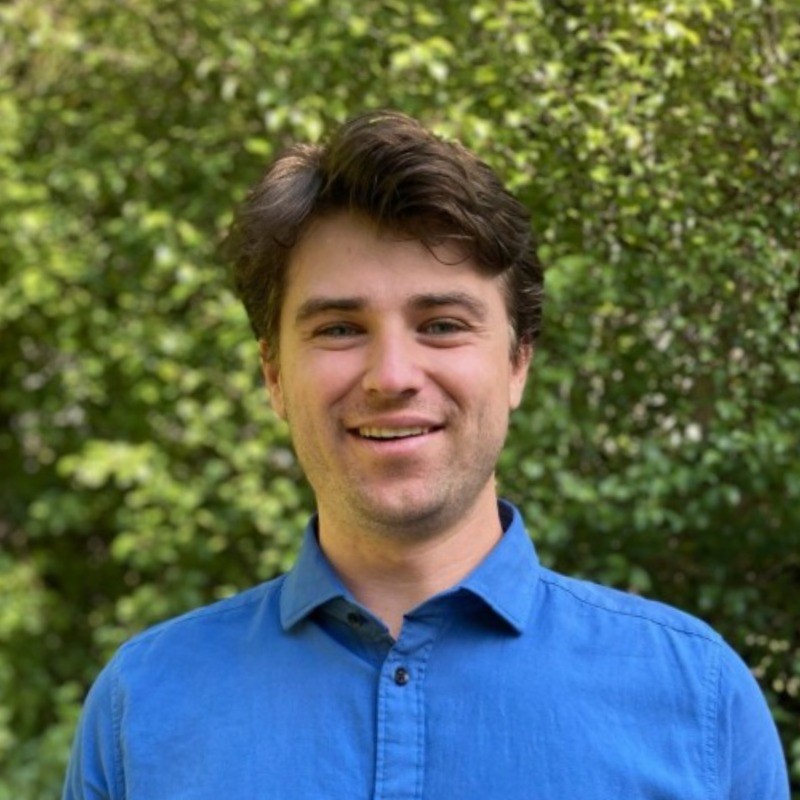
Miles Dupee
Olivine
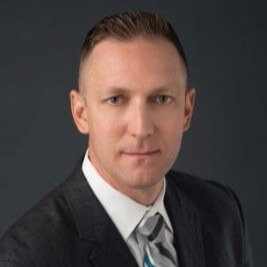
Jason Dudley
Arizona Public Service
BREAKOUT 11 | Fifth Avenue Room
Sponsored by

Co-Chair
Nicolette Sowa
Energy Solutions
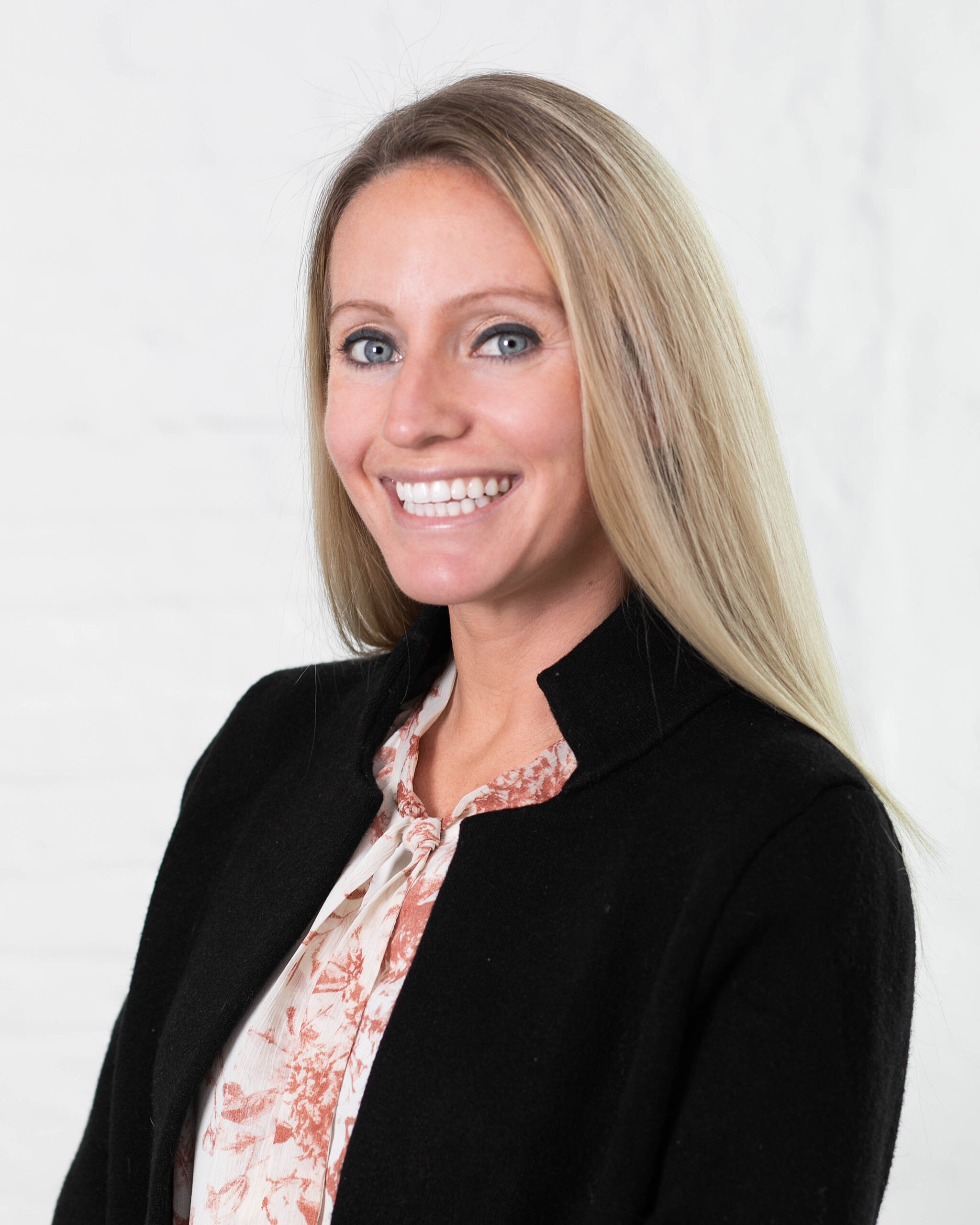
Co-Chair
Katelyn Dozier
Energy Hub
From Test Bed to Territory: Validating DER Distribution Orchestration Value
As load growth from electrification and AI data centers strains distribution infrastructure and system capacity, utilities need DER integration and load orchestration solutions they can operationalize and defend, backed by the third-party validation and regulatory rigor to move from pilot to committed program. This panel brings together Portland General Electric, Orange & Rockland, and independent evaluator E Source for a discussion on how both utilities are leveraging and validating distribution-integrated DER orchestration. O&R will present results from its NYSERDA-funded FlexCharge Rewards program and forward-looking modeling that projects $7.8M in annual distribution deferral value by 2030. Portland General will describe how learnings from its Smart Grid Test Bed informed the expansion into its active Residential Managed Charging program. E Source will discuss its role validating both programs’ methodologies and what makes a distribution value framework replicable and credible before regulators.
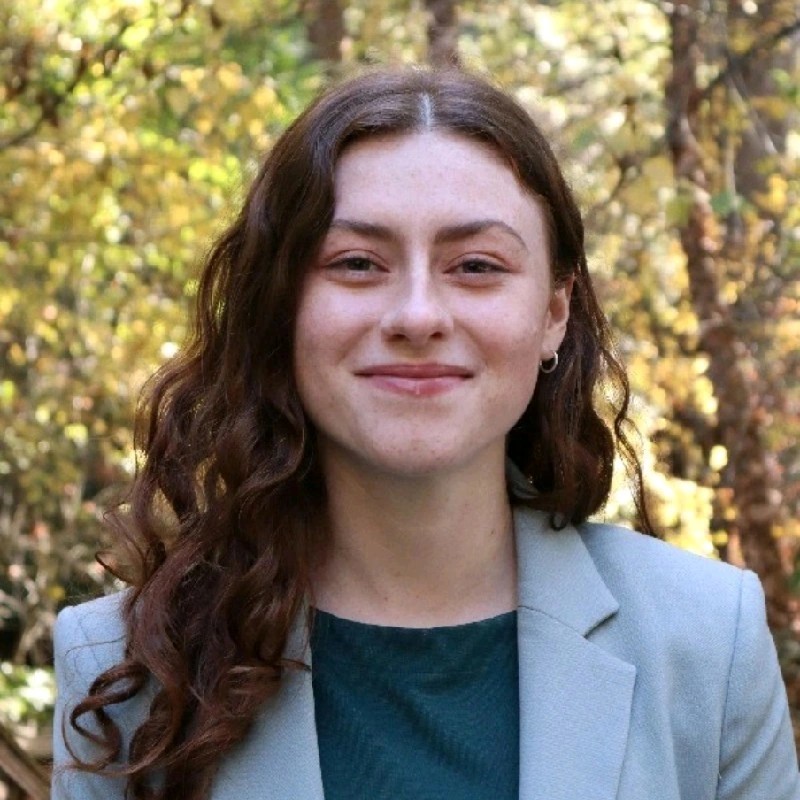
Madeleine Farrington
WeaveGrid
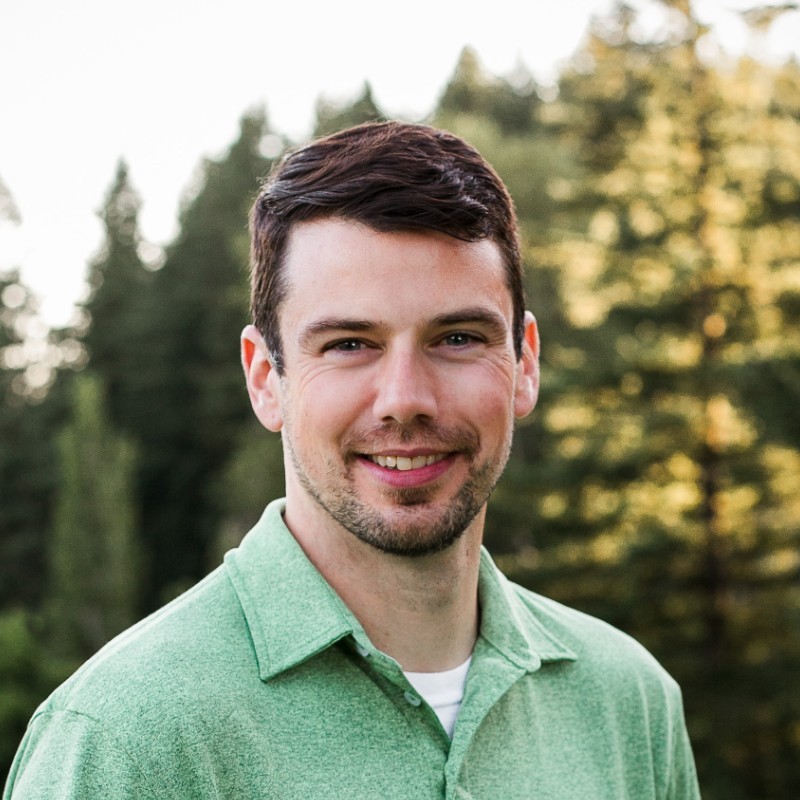
Rick Hodges
Portland General Electric
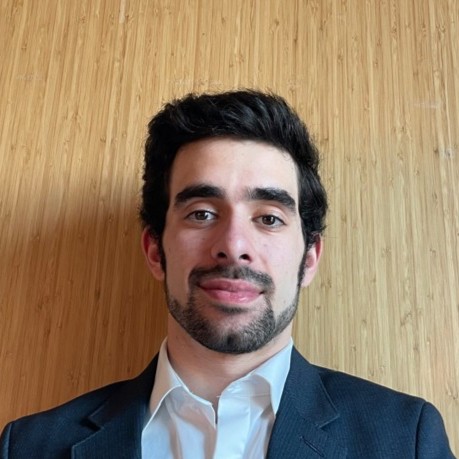
Nick Scaramuzzino
Orange & Rockland
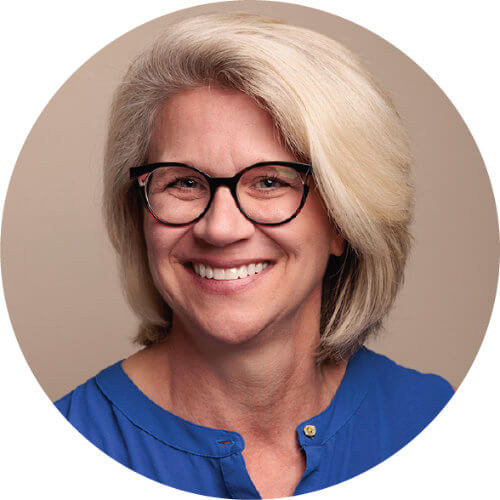
Tami Buhr
E Source
BREAKOUT 12 | Cascade Ballroom
Sponsored by
Co-Chair
Leigh Winterbottom
ICF
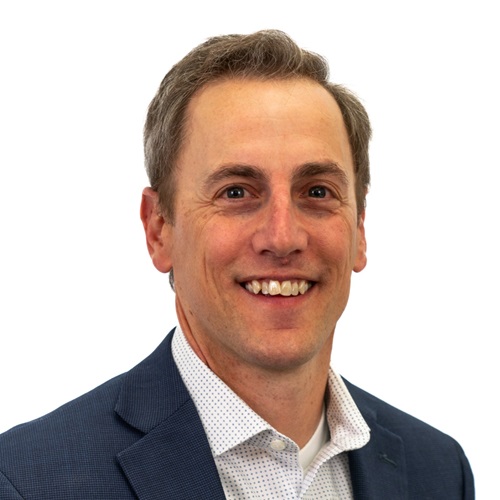
Co-Chair
David Alspector
Tierra Resource Consultants
A Paradigm Shift for Unlocking Smart Thermostat DR in the Rental Market
The rental housing market is among the most underserved frontiers in smart thermostat DR. Unlike DR programs oriented to single family homeowners, the rental market faces multiple hurdles, involving installation challenges, enrollment and churn, incentive structures, and, most importantly, disconnected stakeholders who must act in concert for rental DR to work at scale. Cracking this market requires more than incremental program fixes. It requires a paradigm shift from tenant-centric to property-centric program design, and from customer-centric to device-centric resource strategies. This session draws on research findings from a national multi-client study conducted with utilities, DR technology providers, OEMs, and property operators, to explain four compounding failure points: smart thermostat penetration among renters, enrollment at scale, sustained device connectivity, and participation persistence through tenant turnover. We’ll then introduce co-designed solution pathways for making rental market DR more scalable, persistent, and commercially viable.
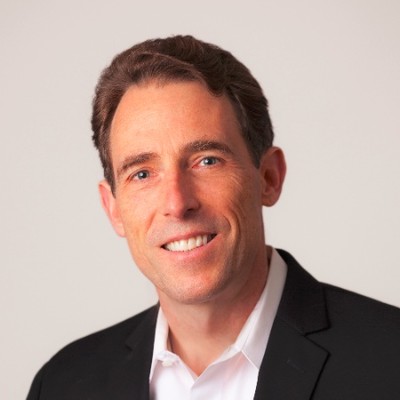
Matthew Joyce
Tierra Resource Consultants
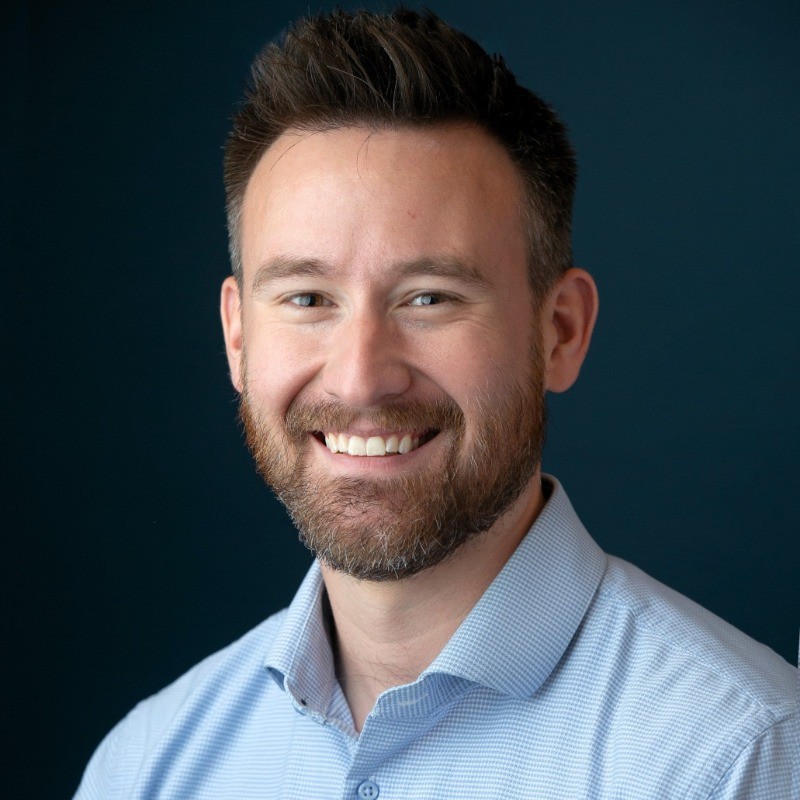
Luke Beckett
E Source
Josh Logan
Salt River Project
Emma Johnson
Puget Sound Energy
TRACK D | Room 203-204
Co-Chair
Gary Smith
Sagewell
Co-Chair
Max Clarke
ev.energy
9:00 – 9:30 AM
Early Findings And Lessons Learned From Deploying A Bi-Directional Charging Project
Join us to learn about a local bi-directional charging deployment in AES Indiana’s territory, including the processes, challenges, and solutions identified. Despite widespread interest, to date very few such projects have successfully launched, primarily due to limitations in hardware, software, and technical expertise. Presenters will address these issues from the implementer’s and utility’s perspectives with a focus on program design, customer engagement, and early results, plus their lessons learned.
Varun Thakkar
CLEAResult
Victoria Cooper
AES Indiana
9:30 – 10:00 AM
Making Residential V2G Work in Practice: Turning a First Installation into a Repeatable Utility Process
Learn how SDG&E supported a residential bidirectional EV charger installation coordinated by The Mobility House, using a Wallbox Quasar 2 + 2025 Kia EV9. This partnership focused on working through complicated interconnection and permitting processes not originally designed for scaling V2G in the field. The utility and vendor will share their experiences and lessons learned, including replicable pathways for future residential V2G projects, permitting and interconnection workflows, required utility teams, critical stakeholders, customer prerequisites, and common constraints that limit installation eligibility.
Nick Fiore
San Diego Gas & Electric
Matthew Mills
The Mobility House
10:00 – 10:30 AM
V2X Unfiltered: A Roundtable on Lessons, Roadblocks, and What’s Next
With one utility-led project in the Midwest and another on the West Coast, what are the common denominators for success? In this final segment, all session presenters will join co-chairs Gary Smith and Max Clarke on stage for a candid, guided discussion. We will move beyond the slides to address the challenges of V2X—from interconnection bottlenecks and hardware reliability to customer sentiment—and explore how these early blueprints can be scaled across the industry. This interactive session will prioritize audience participation and peer-to-peer problem-solving.
Varun Thakkar
CLEAResult
Victoria Cooper
AES Indiana
Nick Fiore
San Diego Gas & Electric
Matthew Mills
Mobility House
10:00 – 10:45 am
BREAKOUT 13 | Vashon
Co-Chair
Teague Douglas
DNV Energy Services USA
Co-Chair
Thomas Roberts
IGS Energy
Locational Value of Load Flexibility: From Theory to Practice
This is a presentation of impact findings and forecasts of locational load flexibility value from the evaluation of Duquesne Light Company (DLC)’s portfolio of residential load flexibility pilots spanning managed EV charging, behavioral demand response, and time-of-use rate options. Beyond standard load and bill impacts, DLC set out to answer a harder question: What are these resources worth on the distribution system by location, and how does that value shape planning and program design? Speakers will trace the analysis from the planning questions through load impact estimation, grid modeling across many future adoption and penetration scenarios, and the integration of locational value into cost-effectiveness testing. The session shares key takeaways from that work, including how much the cost-effectiveness picture moves once locational value is counted, and how a program’s realized value depends on where customers enroll and when load is dispatched.
Emily Phan-Gruber
Duquesne Light Company
Eric Bell
Apex Analytics
Dr. Jason Trager
Plentiful.ai
BREAKOUT 14 | Fifth Avenue Room
Co-Chair
Vanessa Richter
Oracle Utilities
Co-Chair
Whitley McGovern
Virtual Peaker
Identifying DER Opportunities for Non-Wires Solutions
As grid utilization becomes increasingly important to meet load growth, affordability, and reliability needs, Puget Sound Energy is exploring new ways to apply flexible grid solutions. This session will share a developed analytical approach and modeling framework for identifying substations and circuits that may be strong candidates for the use of DERs as non-wires solutions. The speakers will walk through how the DER optimization model was built to develop a portfolio of DER resources to address a given distribution capacity need, how priority locations were identified, and how PSE is planning to apply the results in practice. An anonymized example scenario will illustrate how the approach can support planning and decision-making. The session will also highlight lessons learned, implementation challenges, and next steps for translating analysis into scalable customer and grid solutions. Time will be reserved for Q&A.
Moderator
Brittainy Pond
Puget Sound Energy
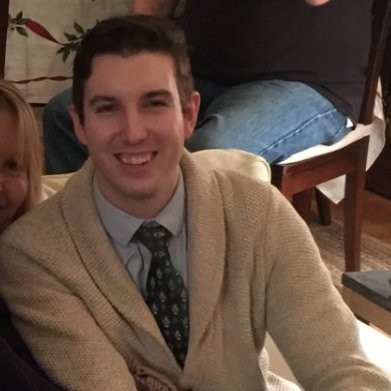
Graham Marmion
Puget Sound Energy
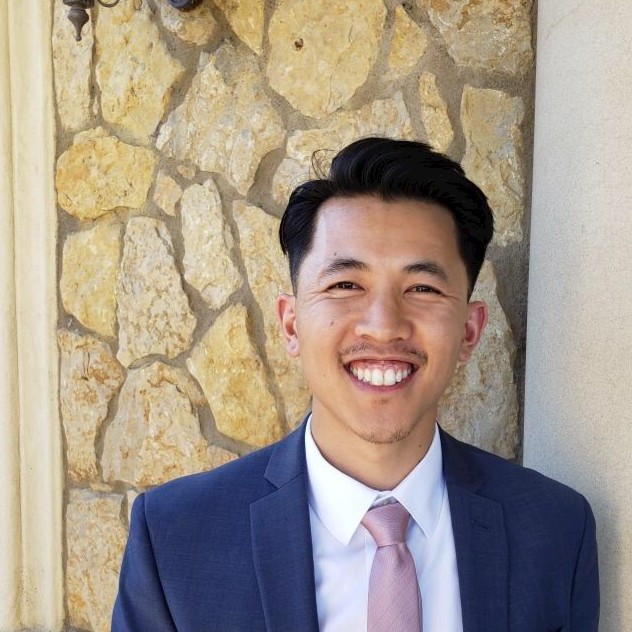
Yao Chao
Seattle City Light

Akhilesh Ramakrishnan
The Brattle Group
BREAKOUT 15 | Cascade Ballroom

Co-Chair
Sarah Chatterjee
Tala Energy Advisory
Co-Chair
Joel Schofield
Threshold Installation & Outreach
The Magic School Bus: V2G for Demand Response
This session highlights performance lessons two different Electric School Bus (ESB) projects: A V2G pilot from ComEd and an Oklahoma program, including ESB purchasing. Speakers on ComEd’s ESB V2G pilot, will highlight program drivers, design, the performance difference between summer and school-year conditions, and how schedules and constraints impact outcomes. Finally, the lessons that will inform the next ESB V2G pilot. The Oklahoma program will highlight how ESBs were used as DERs for participation in OG&E’s Business Demand Response Program and will detail the procurement process for the ESB purchase, and in-season performance results.
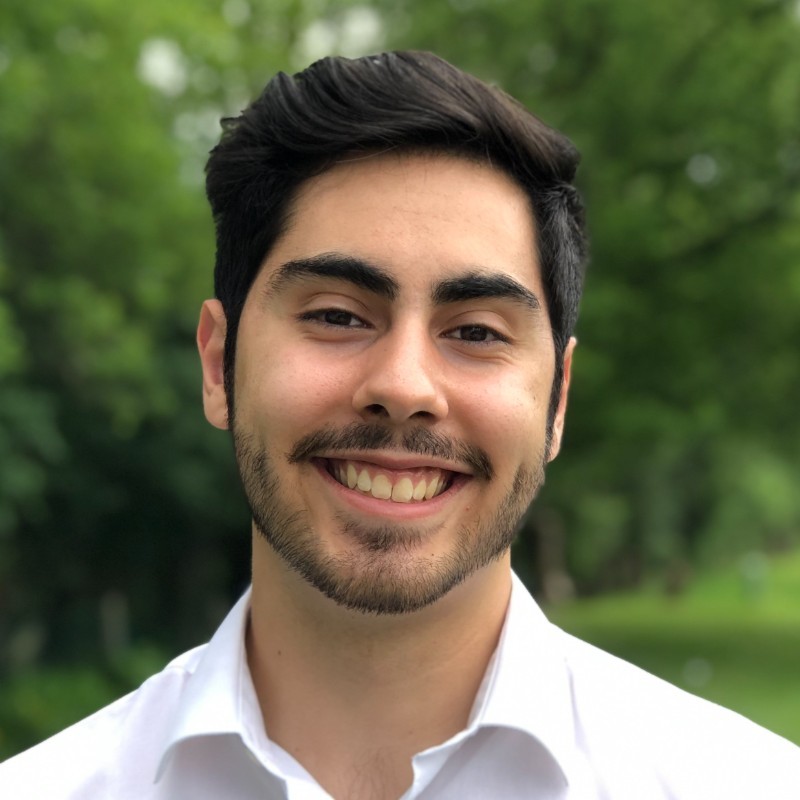
Simitrio Arellano
ComEd
Hannah Ahn
DNV
TRACK D | Room 203-204
Co-Chair
Gary Smith
Sagewell
Co-Chair
Max Clarke
ev.energy
9:00 – 9:30 AM
Early Findings And Lessons Learned From Deploying A Bi-Directional Charging Project
Join us to learn about a local bi-directional charging deployment in AES Indiana’s territory, including the processes, challenges, and solutions identified. Despite widespread interest, to date very few such projects have successfully launched, primarily due to limitations in hardware, software, and technical expertise. Presenters will address these issues from the implementer’s and utility’s perspectives with a focus on program design, customer engagement, and early results, plus their lessons learned.
Varun Thakkar
CLEAResult
Victoria Cooper
AES Indiana
9:30 – 10:00 AM
Making Residential V2G Work in Practice: Turning a First Installation into a Repeatable Utility Process
Learn how SDG&E supported a residential bidirectional EV charger installation coordinated by The Mobility House, using a Wallbox Quasar 2 + 2025 Kia EV9. This partnership focused on working through complicated interconnection and permitting processes not originally designed for scaling V2G in the field. The utility and vendor will share their experiences and lessons learned, including replicable pathways for future residential V2G projects, permitting and interconnection workflows, required utility teams, critical stakeholders, customer prerequisites, and common constraints that limit installation eligibility.
Nick Fiore
San Diego Gas & Electric
Matthew Mills
The Mobility House
10:00 – 10:30 AM
V2X Unfiltered: A Roundtable on Lessons, Roadblocks, and What’s Next
With one utility-led project in the Midwest and another on the West Coast, what are the common denominators for success? In this final segment, all session presenters will join co-chairs Gary Smith and Max Clarke on stage for a candid, guided discussion. We will move beyond the slides to address the challenges of V2X—from interconnection bottlenecks and hardware reliability to customer sentiment—and explore how these early blueprints can be scaled across the industry. This interactive session will prioritize audience participation and peer-to-peer problem-solving.
Varun Thakkar
CLEAResult
Victoria Cooper
AES Indiana
Nick Fiore
San Diego Gas & Electric
Matthew Mills
Mobility House
10:45 – 11:15 am
Refreshment Break | Grand Ballroom 1 & 2
Sponsored by
11:15 – 12:00 pm
BREAKOUT 16 | Vashon
Sponsored by
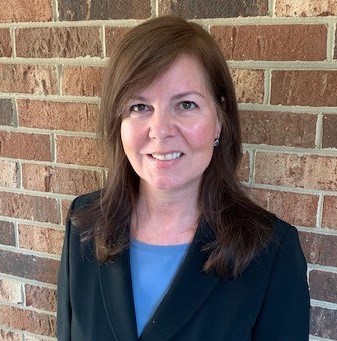
Co-Chair
Allison Hamilton
NRECA

Co-Chair
Meghan Jennings
Rappahannock Electric Cooperative
Smart Panels for Service Upgrade Mitigation and Load Flexibility
As the desire to decarbonize society accelerates, the residential service upgrade process may inadvertently hinder progress. Electrical service upgrades can pose significant financial, logistical, and permitting challenges to many unsuspecting homeowners, with costs ranging from $2,000 to $30,000 and delays that can extend for months or even several years – sometimes necessitating the demolition and reengineering of foundational residential electric infrastructure. To address this problem, several equipment manufacturers, such as SPAN, ABB, Eaton, and others have developed smart panel and smart breaker technology that claim to enable electrification without having to upgrade the service size to the house. This presentation will provide findings from field demonstrations of smart panels to mitigate service upgrades in both SCE and SMUD service territories. Learnings pertaining to customer experience, cost savings, and future grid flexibility features will be discussed.
Mark Martinez
Southern California Edison
Ben Middleton
SMUD
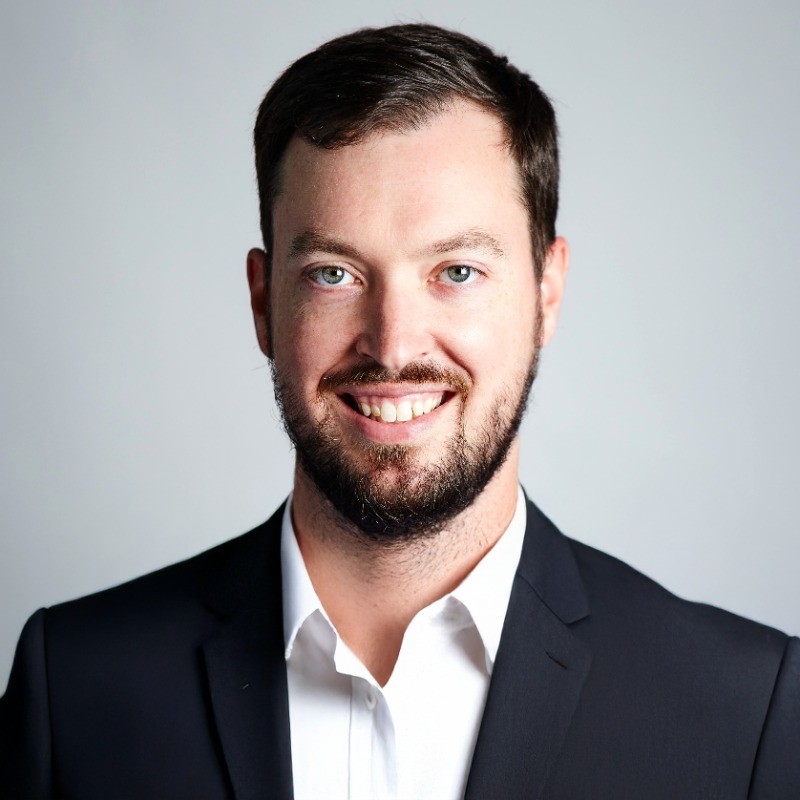
Doug Lindsey
EPRI
BREAKOUT 17 | Fifth Avenue Room
Sponsored by
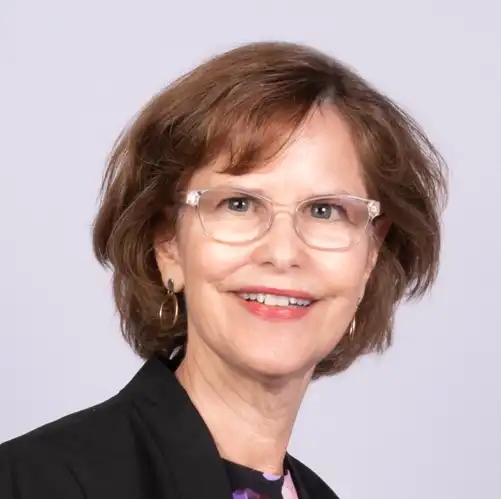
Co-Chair
Diane Levin
NYPA
Co-Chair
Ari Kornelis
Cadmus
Unlocking Distribution-Level Grid Value: How VPPs are Reshaping Distribution Planning
VPPs are shifting from bulk system assets to critical components of localized distribution planning. This panel examines how utilities, National Grid and Eversource, leverage VPPs to mitigate feeder congestion, support voltage stability, and defer infrastructure upgrades. Eversource will detail piloting locational dispatch on several summer-constrained Boston-area substations, including the development and testing of novel solar-sponging applications. National Grid will share results and learnings from Massachusetts non-wires alternative program, which offers select customers ~40% higher incentives to support local grid needs. Speakers will discuss the offering’s evolution and the capabilities involved to scale from two locations in 2025 to 15 locations in 2026.
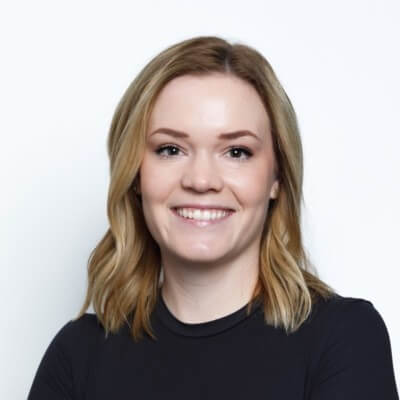
Moderator
Megan Nyquist
EnergyHub
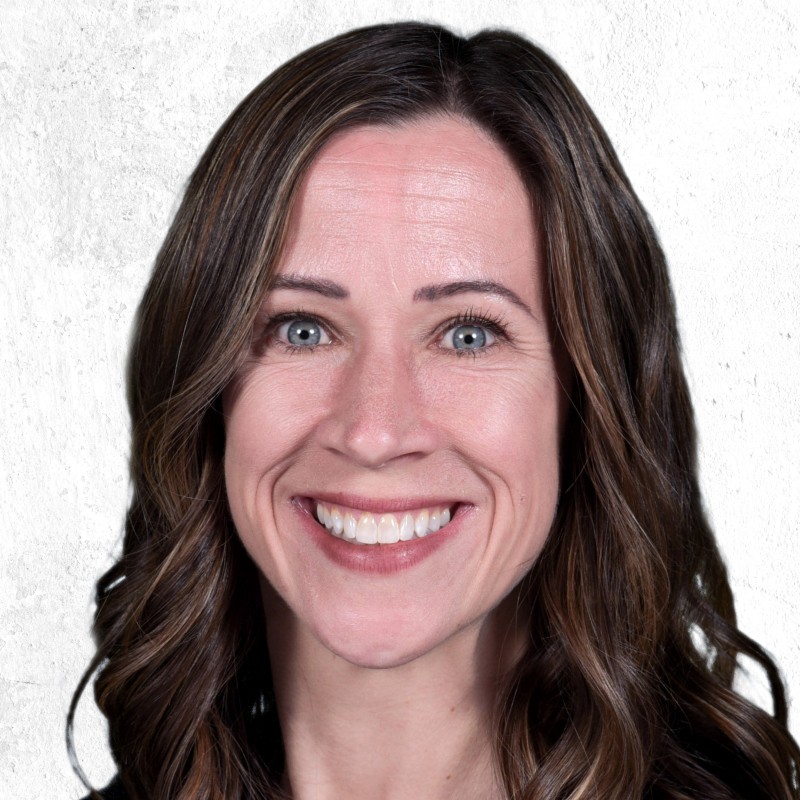
Amanda Stevens
Eversource
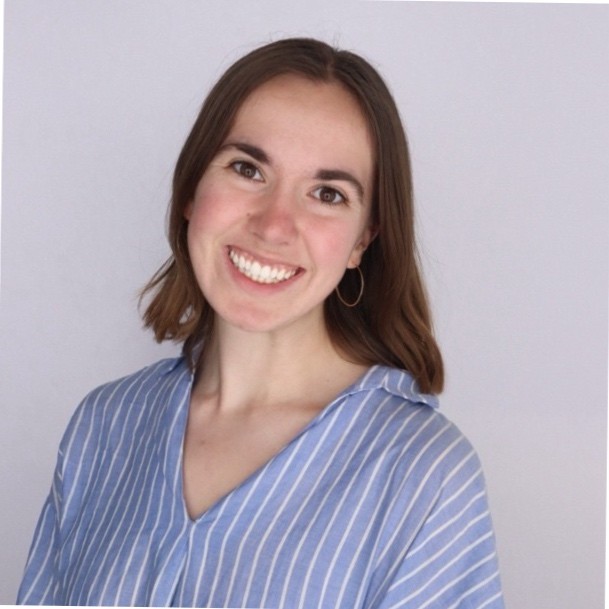
Nora Kraus
National Grid
BREAKOUT 18 | Cascade Ballroom
Sponsored by
Co-Chair
Derek Kirchner
TRC Companies
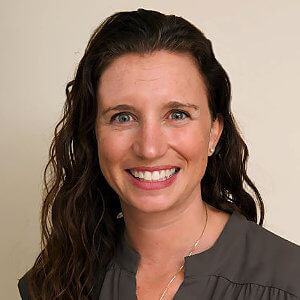
Co-Chair
Katie Parkinson
Pipes and Wires Consulting
Framework of Programs and Strategies for Engaging Data Centers
The presentation concisely describes a simple framework that relates demand-side programs to one another, in order to highlight large load program offerings designed to engage data centers in support of grid needs. Long-term capacity solutions for data centers are framed, to highlight similarities and differences among utility and ISO/RTO programs for data centers. Examples of load flexibility strategies are also discussed along with applicable data center types and workload types. Findings stem from a recent EPRI study focused on long-term capacity solutions for data centers.
TBD
EPRI
TRACK D | Room 203-204
Co-Chair
Gary Smith
Sagewell
Co-Chair
Max Clarke
ev.energy
9:00 – 9:30 AM
Early Findings And Lessons Learned From Deploying A Bi-Directional Charging Project
Join us to learn about a local bi-directional charging deployment in AES Indiana’s territory, including the processes, challenges, and solutions identified. Despite widespread interest, to date very few such projects have successfully launched, primarily due to limitations in hardware, software, and technical expertise. Presenters will address these issues from the implementer’s and utility’s perspectives with a focus on program design, customer engagement, and early results, plus their lessons learned.
Varun Thakkar
CLEAResult
Victoria Cooper
AES Indiana
9:30 – 10:00 AM
Making Residential V2G Work in Practice: Turning a First Installation into a Repeatable Utility Process
Learn how SDG&E supported a residential bidirectional EV charger installation coordinated by The Mobility House, using a Wallbox Quasar 2 + 2025 Kia EV9. This partnership focused on working through complicated interconnection and permitting processes not originally designed for scaling V2G in the field. The utility and vendor will share their experiences and lessons learned, including replicable pathways for future residential V2G projects, permitting and interconnection workflows, required utility teams, critical stakeholders, customer prerequisites, and common constraints that limit installation eligibility.
Nick Fiore
San Diego Gas & Electric
Matthew Mills
The Mobility House
10:00 – 10:30 AM
V2X Unfiltered: A Roundtable on Lessons, Roadblocks, and What’s Next
With one utility-led project in the Midwest and another on the West Coast, what are the common denominators for success? In this final segment, all session presenters will join co-chairs Gary Smith and Max Clarke on stage for a candid, guided discussion. We will move beyond the slides to address the challenges of V2X—from interconnection bottlenecks and hardware reliability to customer sentiment—and explore how these early blueprints can be scaled across the industry. This interactive session will prioritize audience participation and peer-to-peer problem-solving.
Varun Thakkar
CLEAResult
Victoria Cooper
AES Indiana
Nick Fiore
San Diego Gas & Electric
Matthew Mills
Mobility House
12:00 - 1:00 pm
Lunch | Grand Ballroom 1 & 2
Sponsored by

12:00 – 1:00 pm
WOMEN IN LOAD FLEXIBILITY LUNCH WORKSHOP | Grand Crescent
1:00 pm
Sponsor lounge closes
Closing Session | Grand Ballroom 3
1:00 – 1:45 pm
To be announced
1:45 – 2:00 pm
Closing Remarks & 2027 Spring Conference Announcement!
2:00 – 2:30 pm
Nitro Coffee and Seattle’s Best Donuts | Grand Foyer
3:15 - 5:00 pm
ULME | Cascade Ballroom
Utility Load Management Exchange’s (ULME) promotes flexible load control and management as a viable option for utility deployments in demand reduction, economic dispatch, and/or T&D reliability. ULME offers a private forum for its utility members to share information among themselves on program design, marketing, vendor management, benefit-cost, and technology deployments.
Please Note: Thursday's agenda is for ULME Reps only.
8:00 - 9:00 am
Breakfast
9:00 - 10:00 am
Microshifting/Background VPP
As connected devices become more common, utilities are seeing new forms of customer flexibility emerge outside traditional demand response programs. Utilities are starting to explore “microshifting” and background VPP models, including how third-party platforms may shift devices for carbon, market, or portfolio value before a customer enrolls in a utility program.
10:00 - 10:15 am
Break
10:15 - 11:15 am
Data Centers
Rapid data center growth is creating new challenges for utility planning, affordability, reliability, and interconnection. This session will be focused on the future of large-load flexibility, including whether data centers can participate in traditional DR programs or require new constructs such as load management agreements, ramping commitments, backup generation, special contracts, or cost-allocation frameworks.
11:15 - 11:30 Am
break
11:30 - 12:30 pm
Load Management Valuation
Utilities are increasingly being asked to demonstrate the value of flexible load beyond traditional peak reduction. As this becomes a larger topic in the utility space, we want to understand how utilities are valuing demand response, VPPs, and load management as system resources, including avoided capacity, local grid value, market participation, resilience, emissions impacts, and non-wires alternatives.
12:30 - 1:30 pm
lunch
1:30 - 2:30 pm
DERMS/VPP
As utilities and customer programs continue to grow, the challenge is no longer just technology implementation, but is about defining how these resources are operated across the utility. Discussions in the past have centered on how utilities are building operating models for DERMS and VPPs, including coordination across customer programs, grid operations, planning, power supply, IT, regulatory, and vendors.
2:30 - 3:30 pm
Roundtable Breakout
- Batteries
- DERMS
- Winter DR
- Gas DR
- Behavioral
- EV
- Affordability